
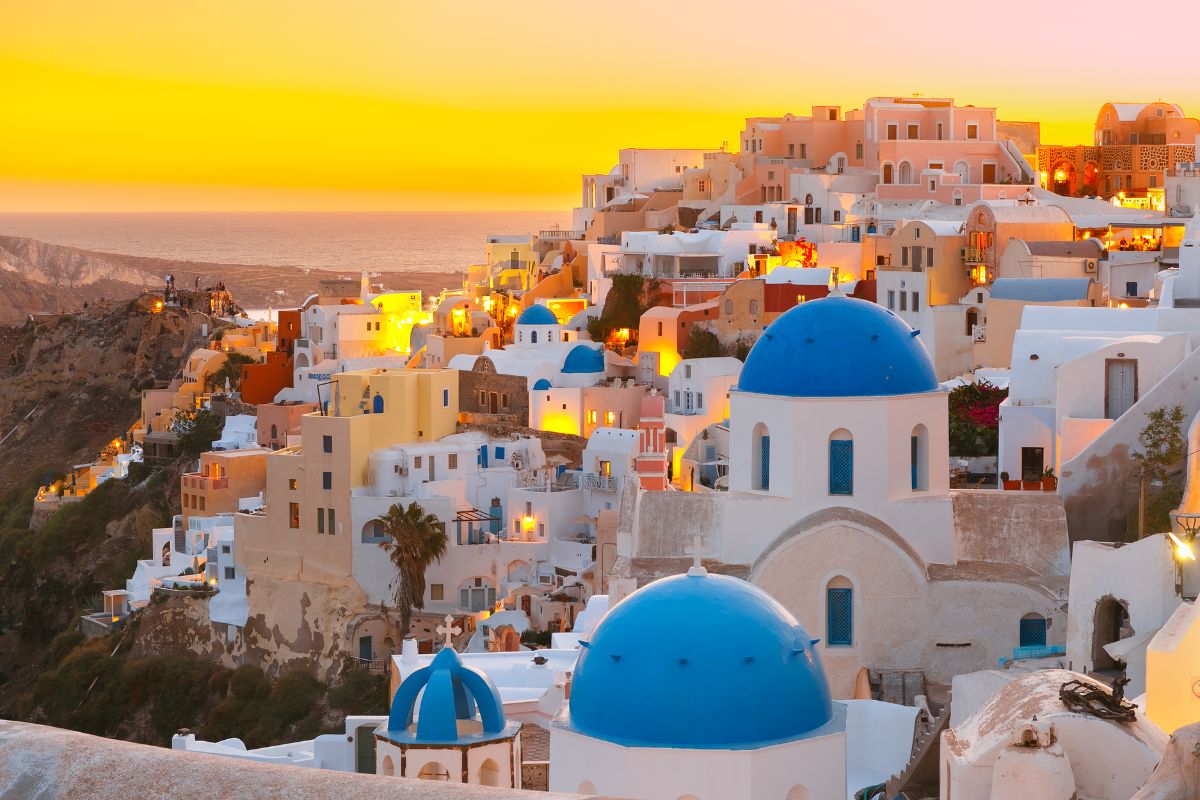
You might have noticed a recent increase in talk about Santorini Mykonos tourism drop, both online and in the media. Santorini and Mykonos have long been the epitomes of Greek island life, with their whitewashed buildings, blue-domed churches, luxury retreats and iconic sunsets. So when you hear about a tourism drop in these global icons, it gets your attention.
In this article, we explore the Santorini Mykonos tourism drop in-depth, covering its meaning, causes, and potential impact on Greek tourism. Rather than speculative rants, you’ll find explanations, expert opinions, tables, quotes, and actionable advice. Read on to learn more about it, regardless of whether you’re a tourist, tourism operator, or just someone interested.
Understanding Santorini Mykonos Tourism Drop
The mere mention of a Santorini Mykonos tourism drop conjures up visions of ghost towns and abandoned resorts. In reality, the situation is more nuanced. A tourism drop is typically a reduction in the growth of visitors, the length of their stay, or the number of affluent visitors, relative to peak holiday periods.
Santorini and Mykonos are not suddenly “out of fashion. They are still two of the world’s most famous islands. But relative to previous record-breaking years, some recent travel movements have changed. These shifts are part of a global trend rather than an absolute loss of interest.
It’s worth knowing the right way to read the slogan. A tourism decline isn’t always a bad thing. At times, it reflects a shift from overcrowding to more sustainable and responsible travel.
How Santorini and Mykonos Got So Crowded
To explain the Santorini Mykonos tourism drop, let’s examine how the islands became so popular in the first place. Social media, cruises, celebrity endorsements and branding elevated Santorini and Mykonos to global stardom over time.
There were downsides. This popularity led to overcrowding, price increases, infrastructure challenges and quality of life issues. Tourism revenue boomed, but sometimes the visitor experience suffered from crowding and a lack of space.
This publicity led to today’s tourism downturn. Potential visitors who once lusted after these islands sought out destinations with fewer people.
Why Santorini Mykonos Tourism has Decreased
The Santorini Mykonos tourism drop can be attributed to a few causal factors. One is increasing travel expenses. Hotels, restaurants and transportation costs have risen on these islands, making them unaffordable for many budget-conscious visitors.
Another factor is changing traveller preferences. Increasingly, people are looking for authentic, sustainable, and unique travel experiences. Though Santorini and Mykonos are beautiful, some tourists perceive a lack of authenticity.
Another factor is global uncertainty. Economic and travel constraints and new work priorities change travel habits. This has ramifications for even the most popular destinations.
Travel Redirection and ‘New’ Greece
A decline inSantorini, Mykonoss tourism does not equate to a decline in interest in Greece. Rather, their attention is shifting to less popular islands and mainland Greece. Destinations such as Paros, Naxos, Milos and Crete are becoming favoured for their beauty and lack of crowding.
- They offer comparable amenities like blue seas, quaint towns and culture for a more affordable price. Indeed, Greek tourism is not suffering, even if these two islands’ growth is slowing.
- This points to a healthier tourist economy. Instead of millions of tourists on just two islands, they are distributed across Greece.
- This example shows how the Santorini Mykonos tourism drop is more about re-distribution than demand reduction.
Impact on Local Businesses and Communities
The visitation downturn has other consequences. Local businesses may face lower demand, an extended shoulder period and increased competition. Five-star resorts can still thrive, but smaller businesses can suffer.
Yet there are some local winners. Fewer tourists can enhance living standards, conserve resources, and balance the scales. Many residents have wanted more sustainable tourism.
This mixed effect reveals that the decline isn’t all bad. It provides opportunities for planning and quality.
Quotes on the Tourism Drop
- “The world didn’t stop being popular; people learned to look for alternatives.”
- “When tourism declines in popular destinations, it can rise in less popular ones”.
- “Santorini and Mykonos aren’t losing popularity; they’re losing plenitude.”
- These statements reflect the shift in thinking about the Santorini Mykonos tourism drop and that it’s not all doom and gloom.
How the Tourism Industry Is Responding
The Santorini Mykonos tourism drop is prompting tourism authorities and businesses to respond. These efforts involve encouraging shoulder season tourism, better managing flows, and building sustainable infrastructure.
And there is an effort to promote cultural significance over Instagram-worthy features. Cultural dining, historical sites, and sustainable activities are being promoted. These focus on those seeking an experience and not just a photo opportunity.
Ultimately, this may actually enhance the islands’ brand.
The Tourism Drop is Good for Travellers
The Santorini Mykonos tourism drop is not bad news for tourists. With the islands less crowded, visitors may enjoy better experiences, accommodation availability, and ambience. Off-season travel is more rewarding.
Rates can level off or even become cheaper at times. Visitors can plan their trips to enjoy the best of the best with fewer strings.
So, the tourism drop doesn’t remove allure; it transforms it.
Related Keywords and Search Interest
Key terms related to the Mykonos Santorini tourism drop include Greece tourism trends, Santorini travel decline, Mykonos visitor numbers, overtourism in Greece, and Greek island alternatives. These examples demonstrate that readers are seeking information, not hysteria.
Well-rounded articles that offer context, perspective and insights into the future perform better and build trust.
Conclusion: Reset, Not Collapse
The decline of Santorini and Mykonos tourism is more of a reset than a catastrophe. These are still top destinations, but people are travelling differently. Travellers are seeking variety, authenticity and value – and Greece is responding.
This could be a win-win-win: Visitors have more satisfying stays, locals get a reprieve, and tourism becomes more sustainable. Santorini and Mykonos are not disappearing; they are changing.
Frequently Asked Questions About Santorini Mykonos Tourism Drop
What do you mean by Santorini Mykonos tourism drop?
The Santorini Mykonos tourism drop is the decline in tourist numbers or tourism interest from its previous peak years, rather than having zero tourism traffic.
Are Santorini and Mykonos no longer popular?
No. Both Santorini and Mykonos are still very popular destinations, particularly during peak tourist times.
Why are people visiting other Greek islands?
Visitors are looking for less crowded, more affordable, and authentic places to explore, leading to the Santorini Mykonos tourism drop and the rise of other islands.
Does the tourism drop impact the economy?
Some do, but others profit from more sustainable tourism and a better tourist distribution.
Will the Santorini Mykonos tourism drop last?
The indications are that it’s a transitory shift brought about by changing holiday plans.