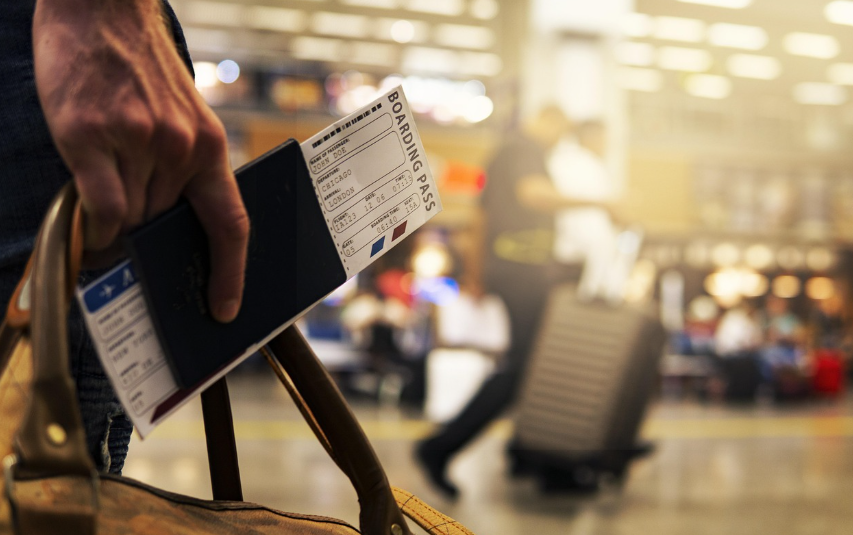

Traveling to Canada can be exciting for vacations, business trips, or family visits. The country imposes additional entry requirements on travelers who have a DUI history. Canada has strict immigration and border laws, and driving under the influence offenses are taken seriously. The travel process becomes easier and less stressful when people understand the regulations and make their travel arrangements beforehand.
Here everything you need to know about Canada travel with DUI:
Why a DUI Can Affect Travel to Canada
Canada treats DUI offenses as serious crimes that violate its immigration regulations. A single past DUI conviction may affect a traveler’s ability to enter the country. Border officers can review criminal history records to determine who has permission to cross the border.
This rule applies to various groups of people who visit the country, including tourists, workers, and business travelers. The overall severity of a situation usually depends on the type of offense, the date of the offense, and the completion status of all legal consequences.
Understanding Criminal Inadmissibility
People who travel to Canada with DUI may be considered “criminally inadmissible” to Canada. A person can be denied entry to Canada because of their criminal past. The rules that apply to every case share identical characteristics. Certain travelers may still obtain entry rights under specific conditions.
The important factors that need examination include:
- How long ago did the DUI happen
- Whether all fines and penalties were completed
- If there were multiple offenses
- The purpose of the trip
People need to understand these details before they start planning their travel arrangements.
Temporary Entry Options
The Canadian government permits some travelers with a DUI record to enter Canada through special permission programs. These temporary entry options allow visitors to Canada for work, family events, emergencies, and tourism. Most travelers need to obtain border approval before their scheduled arrival. People need to prepare their documents at least one hour before their scheduled time, as processing times vary by individual.
Documents You May Need
Travelers with a DUI history should carry important documents to support their case during border checks. Organized paperwork can help explain the situation clearly to border officers. The documents that assist with the process include:
- Valid passport
- Court records related to the DUI
- Proof that fines or penalties were completed
- Travel itinerary
- Employment or business documents, if needed
Complete information enables better border communication.
Be Honest with Border Officers
When people go through border screening, they must tell the truth. The border officers ask about the travelers’ past offenses and their current travel intentions. Travelers can face severe consequences due to entry denial resulting from providing false information. They should answer questions calmly, with respect and honesty.
Seek Professional Advice if Necessary
Some cases may be more complicated than others, especially when multiple offenses or recent legal issues exist. In these situations, travelers may choose to speak with immigration professionals or legal experts for guidance. People should seek professional advice because it helps them understand their options and prevents costly mistakes.