
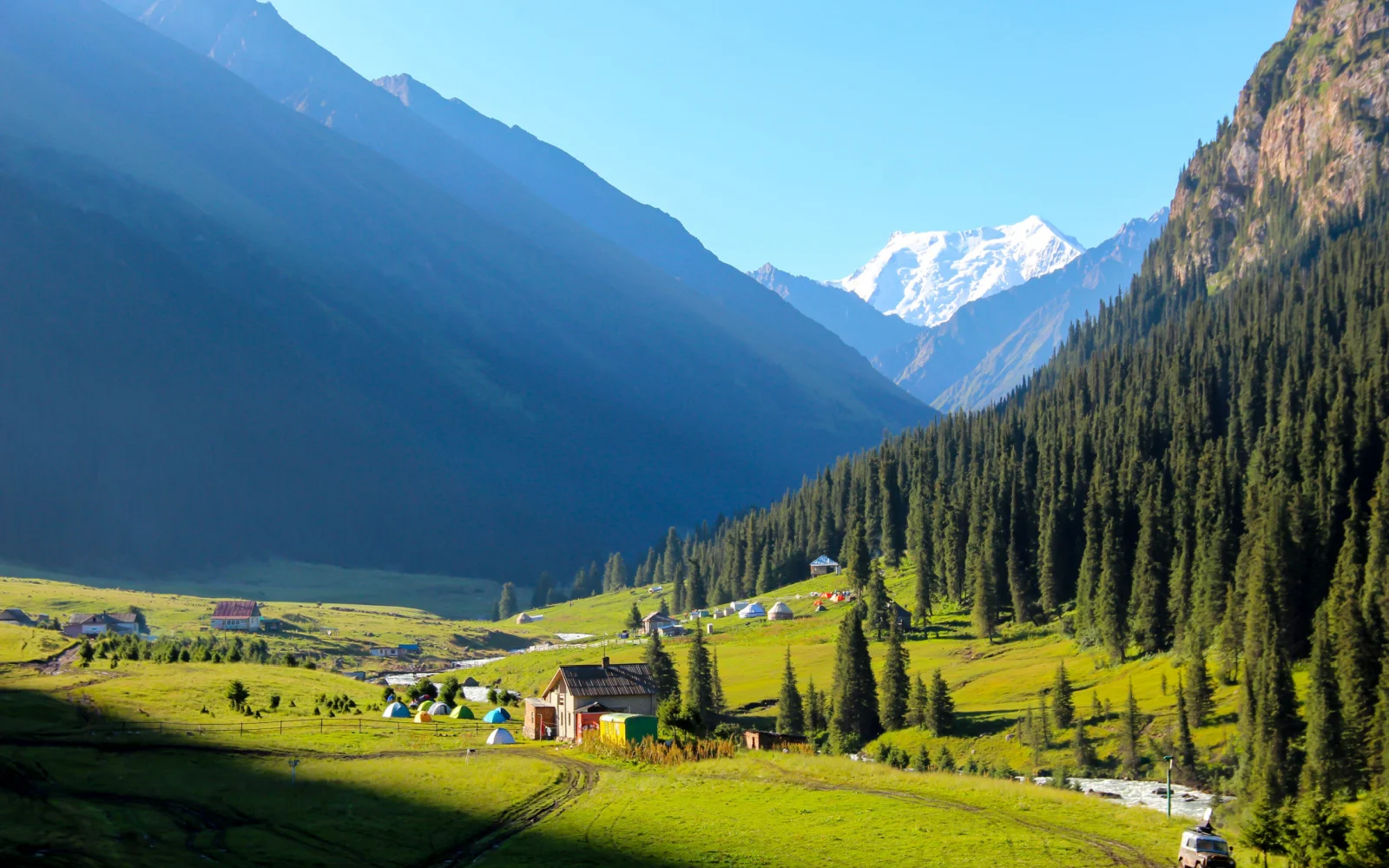
A walk through a forest, a weekend by the coast, or a visit to a new city can leave you with more than photographs. Each trip offers small details that make a story memorable: the weather changing on a trail, a local dish you tried for the first time, or the quiet moment when wildlife appeared in the distance. With a little preparation, you can enjoy the experience as it happens and preserve it in a way that is useful and engaging for others.
Choose a Focus for Your Trip
Before setting out, think about what interests you most. You might want to explore a particular landscape, learn about a region’s history, find family-friendly activities, or document a route for other walkers. A focus gives your day some shape without turning it into a rigid schedule. It also helps you notice details that might otherwise pass by.
For example, a coastal visit could centre on how the landscape changes from the harbour to the dunes, while a city break might follow the places where residents spend their evenings. If several people are travelling together, ask what each person hopes to see. Their different interests can add variety to the trip and give you more than one perspective to include later.
Plan the Practical Details, Leave Room to Explore
Good planning makes it easier to relax once you arrive. Check opening times, transport options, trail conditions, and local weather, especially if your plans involve outdoor activities. Pack water, suitable footwear, and layers that can handle changes in temperature. For a longer walk, tell someone your route and expected return time, and keep a map available in case your phone loses signal.
At the same time, avoid filling every hour. A viewpoint, market, or small museum you had not planned to visit may become the most interesting part of the day. Leave space for breaks and detours, while keeping any essential bookings and safety considerations in mind. A flexible plan lets you make the most of an unexpected discovery without feeling rushed.
Pay Attention to the Place
Nature travel is most rewarding when observation comes before collecting pictures. Pause to notice the sound of water, the texture of the ground, or the way the light shifts across a hillside. These observations help bring a later account to life, and they encourage a more thoughtful connection with the environment.
Respect local guidance and wildlife. Keep to marked paths where requested, avoid feeding animals, and take all rubbish with you. Use a quiet voice around wildlife and give animals plenty of space. If a place is busy, be considerate of other visitors when stopping for photographs. Responsible choices help protect the setting that made the trip special in the first place.
Record More Than Photographs
Pictures are useful reminders, but a few written notes can preserve details that a camera cannot. At the end of each day, jot down where you went, what surprised you, and how the place felt. Note practical information too, such as how long a walk took or whether a route was manageable for children. These specifics can help you plan another visit or give readers a clearer idea of what to expect.
You do not need to write a full diary on the move. A voice memo, a short list, or a quick sketch can capture an impression while it is fresh. Later, sort photographs by location and keep captions simple and accurate. Avoid sharing sensitive wildlife locations if public attention could disturb a fragile habitat.
Make Space for Local Culture and Entertainment
A trip is not only about scenery. Local food, music, performances, and community events can explain a place in a different way. Look for opportunities to experience them respectfully, whether that means visiting a small venue, attending a seasonal event, or asking about a regional dish. Check event details in advance, and remember that some cultural experiences are private or not intended for visitors to photograph.
When you write about these moments, include context rather than treating them as a checklist. Describe what you enjoyed and what a visitor should know before going, while avoiding broad assumptions about local people. This balance makes a travel account more informative and fair.
Shape Your Notes into a Useful Story
When you return home, choose one main idea and arrange your notes around it. A clear beginning can introduce the destination and the reason for your visit. The middle can follow the day’s route or develop a few highlights, while the ending can reflect on what stayed with you. Include practical advice where it naturally fits, such as the best time to arrive or what to bring.
If you want to share your account beyond your own social circle, explore opportunities for guest posting on sites that cover travel, entertainment, or nature. Read the publication’s guidelines first and tailor the story to its readers. If editing images or polishing a draft is outside your skill set, a freelance marketplace such as Osdire offers services across categories including writing, photography, and design. Its flat pricing and payment process—where funds are held during an order and released after the work is approved—can make the arrangement easier to understand.
Conclusion
A rewarding trip does not need an elaborate itinerary or a perfect camera. A clear idea, thoughtful preparation, and attention to the people and places around you are enough to create lasting memories. Record a few honest details, travel responsibly, and share what may help someone else plan their own adventure. In doing so, you keep the experience alive long after the journey ends.